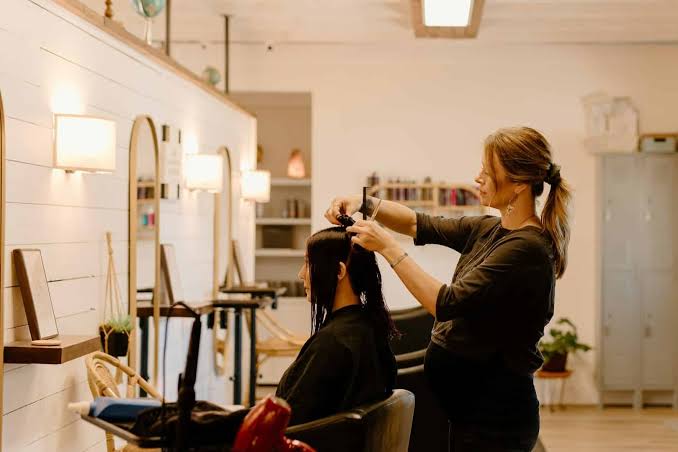
An allergic reaction or burn during a beauty appointment does not automatically establish legal liability. Beauty service liability laws generally require examining what happened, what duties applied, whether reasonable care was followed, and whether the conduct actually caused compensable harm.
Licensing violations, product instructions, client disclosures, sanitation practices, training, and documentation can all become relevant when a dispute develops.
Negligence Requires More Than an Unhappy Result
Negligence claims generally involve a duty, breach, causation, and damages. Cornell Law School’s Legal Information Institute describes those concepts as core elements a plaintiff ordinarily must establish in a negligence action.
A poor cosmetic result by itself therefore does not necessarily prove negligence. The legal question may instead focus on whether the professional acted below an applicable standard of care and whether that failure caused the claimed injury.
General Florida professional-service reporting may provide business context, but liability depends on the particular facts and governing law.
Burns and Reactions Require Fact-Specific Review
Chemical services, wax, adhesives, color products, peels, heated tools, and other treatments can create different risks. Relevant questions may include whether the product was used according to instructions, whether known contraindications were addressed, and what happened after the client reported discomfort.
A licensing board may also investigate unsafe or incompetent practice. California, for example, accepts complaints involving gross negligence, incompetence, unsanitary conditions, unlicensed practice, and false advertising.
Consent Helps, but It Does Not Erase Negligence
A signed consent form can document that a client received information about foreseeable risks. It is not ordinarily a license to perform a service carelessly.
Consent is strongest when combined with a meaningful consultation, clear service description, relevant client information, and accurate records. Professionals reading Pennsylvania business updates should see consent as part of risk management rather than a guaranteed defense.
| Issue | Evidence That May Matter | Legal Question |
|---|---|---|
| Allergic reaction | Intake form, products used | Was relevant information considered? |
| Chemical burn | Timing and application notes | Was the service performed reasonably? |
| Infection claim | Sanitation records | Were required hygiene rules followed? |
| Damages | Photos, bills, medical records | What harm actually resulted? |
Documentation Can Shape What Happens After an Incident
When something goes wrong, records created before and immediately after the event may be more persuasive than explanations reconstructed weeks later. Useful records can include service dates, products, lot information when relevant, processing time, client communications, photographs, and actions taken after the reaction.
People following Ohio small-business developments should also remember that insurance notification requirements can impose separate deadlines. A salon should review its policy rather than assuming every beauty-related injury is automatically covered.
The California Board of Barbering and Cosmetology complaint guidance shows the types of documentation regulators may consider useful when evaluating negligence-related complaints.
Where Liability Assumptions Go Wrong
Salon owners sometimes assume that a waiver eliminates all responsibility. Clients may make the opposite mistake and assume any reaction proves wrongdoing.
Neither shortcut answers questions about breach, causation, or damages. Another common problem is altering records after a complaint arises. Corrections should be transparent and dated rather than made in a way that creates doubt about the original record.
When to Get Legal Help
Prompt legal advice may be appropriate when an injury requires medical treatment, a client demands substantial compensation, an insurer reserves or denies coverage, or a licensing board requests a formal response.
Preserve photographs, appointment records, messages, product packaging, invoices, consent documents, and surveillance footage if available. Avoid argumentative public posts about the client because statements made during a dispute can create additional problems.
Frequently Asked Questions
Is a salon automatically responsible for an allergic reaction?
No. Liability depends on the facts, including applicable duties, information available before the service, how the treatment was performed, causation, and the law of the jurisdiction.
Does a signed waiver prevent a beauty-service lawsuit?
Not necessarily. Waivers and consent forms can have legal significance, but their effect depends on wording, local law, the circumstances, and the type of conduct alleged.
What should a salon document after a burn?
Record objective facts such as the service performed, products used, timing, observed reaction, client statements, actions taken, communications, and any referral for medical attention.
Treat Incidents as Evidence-Sensitive Events
Good liability management begins before a claim exists. Clear consultations, services performed within scope, sensible safety practices, and accurate documentation create a stronger factual record if a reaction occurs.
When an injury is significant, preserve the evidence and involve the insurer or appropriate professional adviser early rather than attempting to reconstruct events after the dispute escalates.
This article provides general legal information and is not a substitute for advice from a qualified attorney.